
It is a truth universally acknowledged, that if a board game is in possession of popularity, then it must be in want of a second edition. So said Jane Austen in her little-known classic, Cardboard and Crowdfunding. That truth is born out in Gloomhaven: Second Edition, now widely available after getting its first deliveries to backers late last year.
For most of you reading this, Gloomhaven likely needs little introduction, so we’ll touch on this tactical adventure puzzle’s mechanics briefly, then break down the second edition’s particulars, before exploring where this huge update lives in the current world of ‘haven games and similar titles. It’s been nearly seven years since Gloomhaven dropped its humongous box on the board gaming world, does it still have the juice?
The Essence of Gloomhaven
Reducing a game as massive as Gloomhaven, chock full of missions, characters, cards, tokens, and so many bits that numerous apps for phones and tablets were created to track your status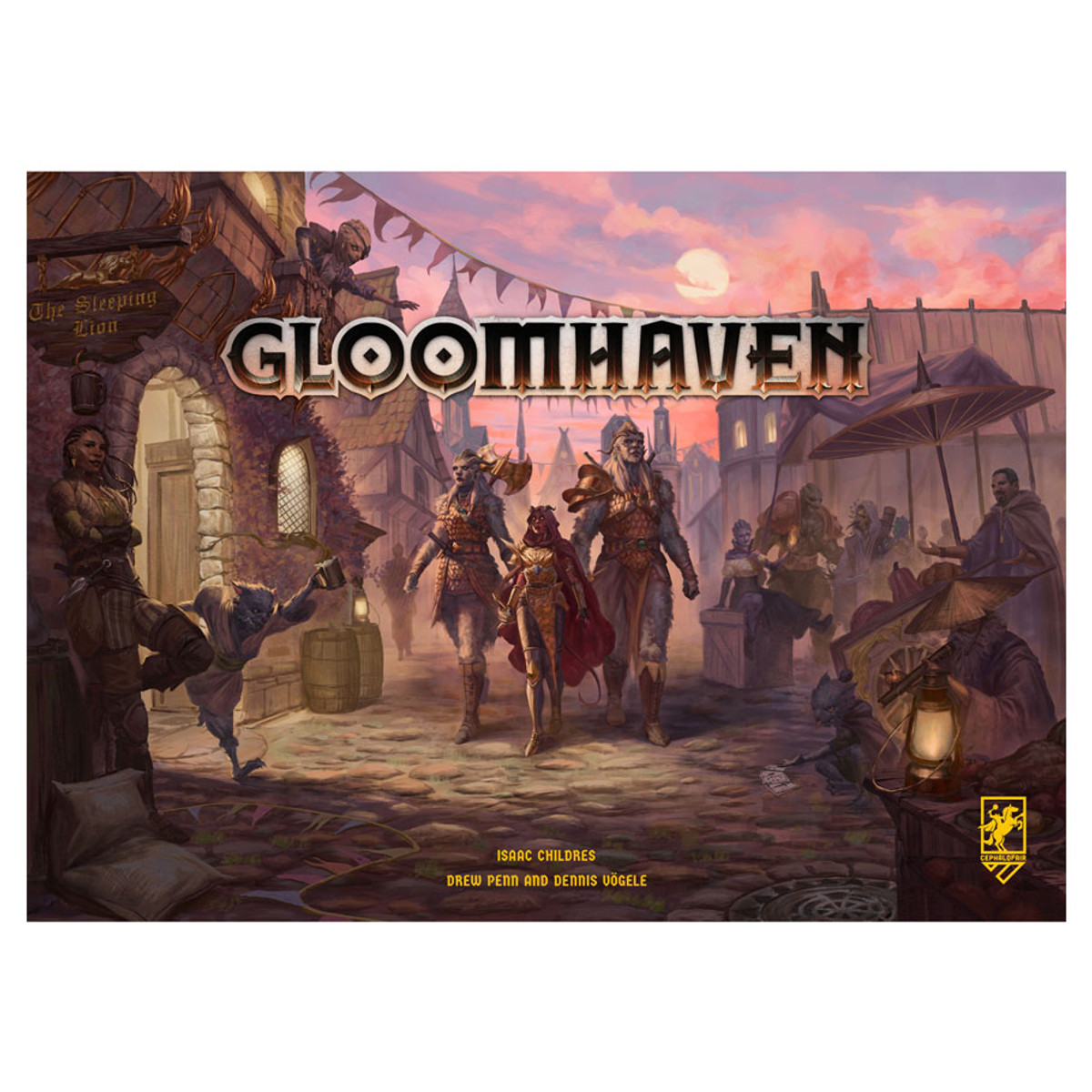 to a one-liner is difficult, but I’d go with this: a tactical, euro-style fantasy adventure. The core mechanic, playing multi-use cards from your hand to maneuver your heroes, defeat enemies, and accomplish mission-specific objectives, is as enticing today as it was then. That your hand, by virtue of destroying cards to draw played ones back, also functions as a mission timer is an ingenious way to create tension while leaving the player with control. Small card decks replace dice to add managed randomness, spicing just enough wow moments into the game to keep you engaged without ruining plans due to excessive unpredictability. Add copious items, character leveling, a rich world, and you have the Gloomhaven sauce that set crowdfunding records way back when.
Yet, Gloomhaven still stands apart from its fellow massive crowdfunded titles in a few ways. First, I’d argue it’s not a dungeon crawl in the classic sense. Combat isn’t so much a cinematic affair of dice rolls and wild swings as a taut dance. Slaughtering every enemy is often not viable, same with getting all the treasure, as your character’s cards just won’t allow it. Story also takes a back seat here, with so many choices, locked out options, and fluctuating characters (including your own, which tend to swap out mid story-line) that it’s best absorbed as background color rather than driving force behind your game. Lastly, you will swap characters as they retire, exploring new ways to play throughout the game that keep things fresh, but makes the ‘hero’s journey’ vibe a tenuous thing.
In short, it’s a marvel, but a particular one. If you haven’t played any of the ‘haven games yet, I’d still recommend Jaws of the Lion as a great intro. But if you’ve done that, or want to dive into a big, bold experience, then Gloomhaven: Second Edition is a spectacular update that demands your attention.
What Changes With Gloomhaven Second Edition?
But what makes Gloomhaven: Second Edition a ‘spectacular update’? Well, my friends, for that we have to thank both of Gloomhaven’s sequels – Jaws of the Lion, a sort of introduction to the whole series that remains excellent, and Frosthaven, the even-more-giant adventure. As you’d expect, the older brother learned from his younger siblings, and you’ll now find a few key features in Gloomhaven:
- Character masteries – These are fun challenges when playing characters that often require tailored builds to achieve – more than one-offs, these masteries provide guidance when leveling up, a fun and useful north star in a game that can have overwhelming choice.
- A Campaign log and Scenario map – the original Gloomhaven had so many scenarios and sub plots that were hard to track, but now you’ll be able to see how every mission leads to the next. Coupled with story reworks for every mission, your adventure will have a much more cohesive feel, key when a game is this big.
- Split scenario booklets – No more trying to ignore that paragraph spoiling the surprise. Instead, you’ll have separate mission and section booklets, hiding what happens when you’ve slain the monster or opened the door, preserving the surprise for groups and solo players alike.
On top of these, virtually every item, quest, and element has been touched to bring Gloomhaven up to par with its sister titles. Foreteller integration offers excellent audio narration (a personal must – it’s great to set things up while listening to a voice actor give you the details. However, the legacy sticker system remains, so if you plan on playing through the campaign 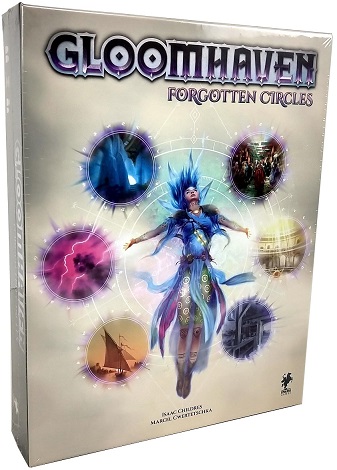 multiple times (recommended, as you won’t see everything in one adventure, particularly with the new faction system locking), then grabbing a removable sticker set remains the smart play.
When looking at Gloomhaven extras, Jaws of the Lion largely works as is with Gloomhaven: Second Edition, especially as its core game is standalone. Gloomhaven: Second Edition did update the solo scenarios, so you’re set there. But if you have the Forgotten Circles expansion, which is largely a post-game series of puzzly, difficult challenges, you may need to tweak things here and there to fit (still playable, just be ready to adjust if something feels off).
Overall, the updates here are far more than just a second printing, and make this edition of Gloomhaven the one to beat. Even better, the character design is in line with Frosthaven now, letting you port classes back and forth if you’d like to spice things up. So, you know, dive in.
Or read on to see how Gloomhaven stacks up in a much more crowded dungeon adventure space.
The Haven-Verse and similar titles
Thanks largely to crowdfunding, the world of board games that could be called ‘dungeon crawls’ or ‘fantasy adventures’ has vastly expanded since Gloomhaven first appeared (though it was far from the original – Heroquest, Magic Realm, Dark Tower, and others stretch much further back). Up above I said Jaws of the Lion remains the most effective entry into the ‘Haven universe, and that holds true. If you and your group enjoy that, then Gloomhaven: Second Edition followed by Frosthaven ought to be your progression. That’s, like, years of board gaming for a really reasonable price (the ‘Haven series is sparse with its miniatures and big on its print runs, which keeps prices under control).
Simple enough. Beyond those titles, though, there’s a bevy of standard classics (and new stars) that we’ve hit before, so instead, if I’m starting in 2026 and want to go for newer, heavier, more ridiculous adventures, where do I begin?
Solo Adventure → The Isofarian Guard: A fantastic, solo-friendly bag-building adventure where, like Gloomhaven, your heroes will change over the course of several campaigns. Its recent 2nd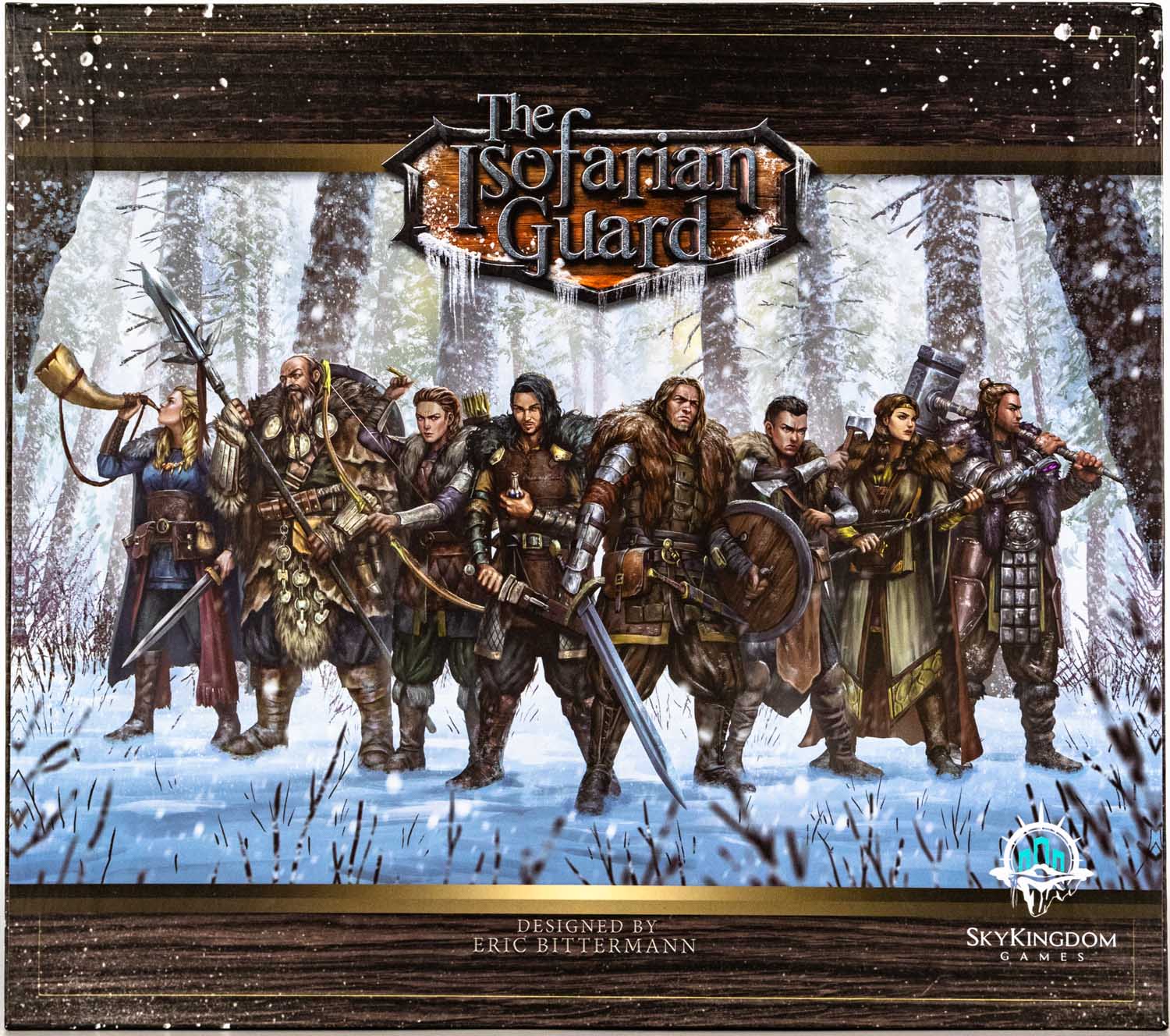 Edition release fine-tuned an already excellent base game that, while sprawling, doesn’t require time-sucking map construction and enemy setup, making it ideal for drop-in and drop-out solo sessions.
Two-player Questing → Tainted Grail: Kings of Ruin: A dark Arthurian setting seeps into the engrossing story. Neat card-combo combat combines with dramatic exploration and tension over whether to stick together or separate to solve mysteries, defeat monsters, and, ya know, do that adventuring thing. The original Tainted Grail isn’t necessary to enjoy this one, but it was updated with this release too.
Three Players → Tidal Blades 2: Rise of the Unfolders: Wonky name aside, Tidal Blades 2 uses gorgeous art and encounter books to keep you focused on the story and combat, which, since its unique rows-and-columns mechanics are so fun, is a great choice. Three players gives you plenty of team-work without feeling crowded or slow. Don’t worry about playing the first, as it’s a totally different game (though fun in its own right!).
Four Players → Agemonia: An excellent role-playing adventure, where characters have their own stories and the discoveries you make adventuring around the maps are core to the experience. Much like Gloomhaven (and all of these games), this is a big box with a lot of adventure. Seek out the 2nd printing or an update pack if you can get it, just to make things smoother.
Five Players → Dungeon Universalis: Five players, you say? Well, here’s the thing, Dungeon Universalis is best played with an opposing player. A dungeon master that wants to, well, slaughter the dastardly players. Heavy, ridiculous, and rewarding with nigh infinite possibilities (and plenty of expansions), this is a system that, once learned, will endlessly deliver.
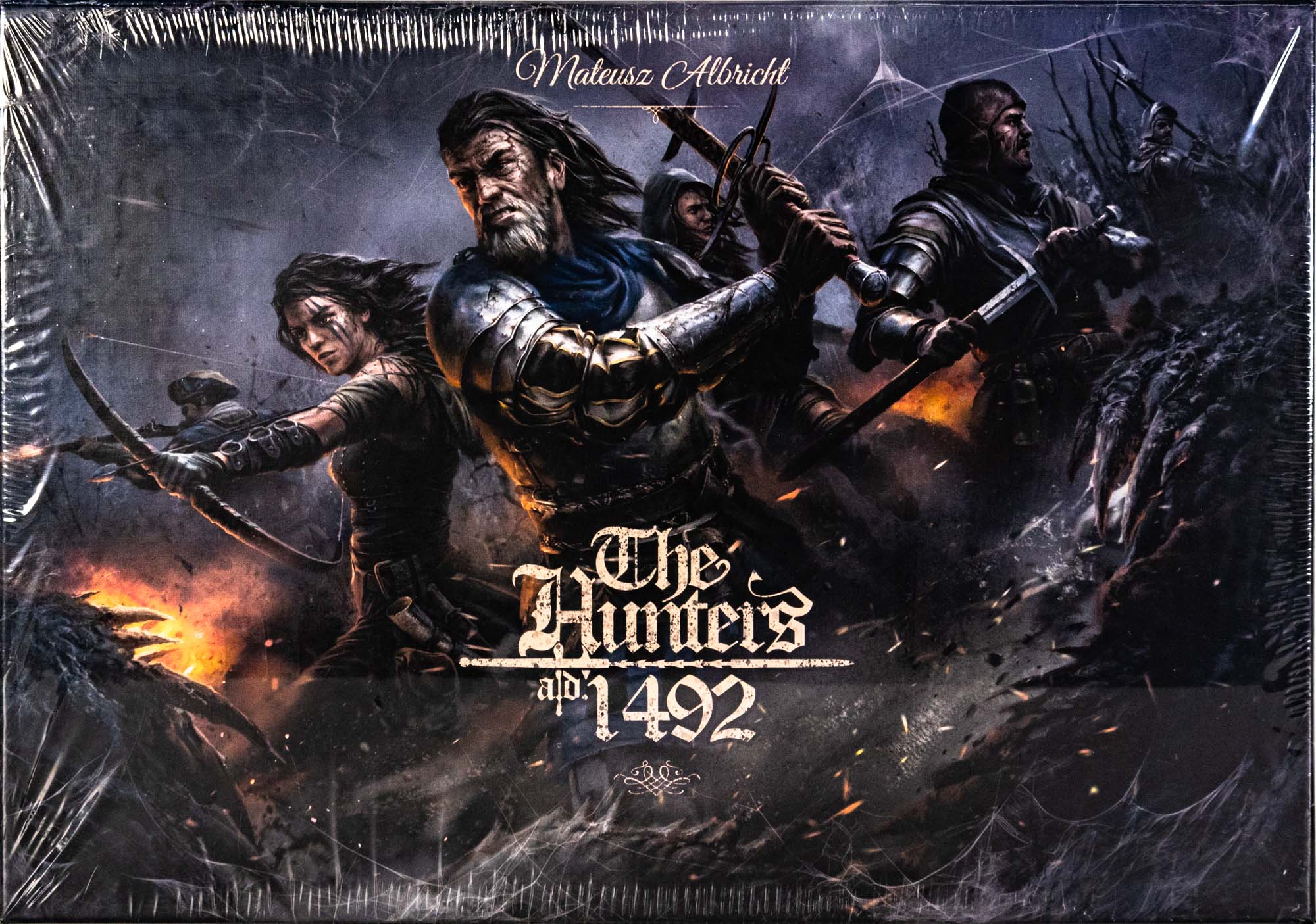
I’ll also throw out that there are a ton of niche, special titles in this genre. The sorts of games you’d never find on a big box retail shelf (but wind up at Noble Knight thanks to their pre-owned opportunities). Games like The Hunters 1492, League of Dungoneers, Maladum, Dungeon Degenerates and more are worth your time – if you love Gloomhaven, be excited, because there’s much more magic to be found in the cardboard hinterlands.


