
The old guard – Midway, Empire of the Sun, and Pacific War remain excellent, but the conflict between Japan and the US during World War 2 represents a fascinating theater full of dynamic battles, terrifying logistics quandaries, and strategic possibilities (island-hopping, anyone)? Over the last few years, various publishers have sought to capture unique elements of the Pacific Theater in novel ways, bringing fresh life to a familiar fight for war gamers old and new.
As ever, and particularly with specialty war games, your Want List is going to be your friend – many of these titles come in and out of stock frequently, so the Want List gives you first crack at snagging the ones you want. Now, fire up that engine, close the cockpit, and get ready to soar over the ocean blue.
Midway – Second World War At Sea
We touched on this long-running series by Avalanche Press recently, but the Second World War At Sea games remain at the pinnacle of tactical naval play. Primarily focused on the battles themselves rather than the broader conflict surrounding them, this is classic hex-and-counter gameplay centered on ships and planes. Conflicts play out on specific maps to the region, whether it’s open sea where planes are paramount to cat-and-mouse engagements around islands. A big reason to love this series are the narrative campaigns tying battles together, taking what would otherwise be isolated scenarios and showing how the outcome of one leads to another.
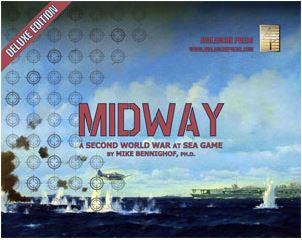 The rules here are middle-weight for war gaming, offering simulation elements like weather, fighter interception rules, and such, but the most in-depth aspects are grouped under ‘Advanced Rules’. This tweak helps keep Second World War At Sea approachable for new players and easier to teach, while letting those who love the system add in the complexity they desire. I love it when games do this, and hope more war games take up this tactic.
The best place to start here would be either the Midway: Deluxe Edition (which has all you need to play many expansions) or South Pacific, which has approximately 1 zillion counters and more than 60 scenarios. From there, expand through big box or ziploc options to the battles and scenarios you like.
MAG 23 – Guadalcanal
An ever-growing sub-genre within war gaming is the solitaire narrative-driven game. These, like Infernal Machine, Mr. President, and I, Napoleon, vary in their scope and goals, but present the same fundamental goal: challenging decisions mixed with a little random spice to create compelling stories. MAG-23 Guadalcanal delivers this, in its new boxed edition, by putting you into the cockpits of Marine Air Group 23 over a series of engagements around, yes, Guadalcanal.
You’ll have your pilots, named, and their aircraft, limited. You’ll have missions, ranging from air support to ground attack and more. Choosing which pilots and which aircraft to use is just one part, as weather, mission goals, pilot skill and stress—oh yes, they can get tired, injured, and worse—all factor into just the start of a rough day in the Pacific. Once you’re set, dice help drive the action, guiding you to your next choice (maybe Jack screwed up his takeoff and hit a tree, who and what can you scramble to replace him?). Every mission will tally up US and Japanese victory points and losses, providing an ongoing record of your success or lack thereof.
MAG-23 isn’t an exceptionally difficult game to learn. Individual mission days run in under 30 minutes, and you’ll find the flow fast. While dice are impactful, your own decisions about pilots, aircraft, and how to use them will do much more to determine whether your squadrons make it out alive. This is a personal look at the Pacific theater, a narrow and meaningful experience that’ll leave, with your every logged mission, a narrative record. It’s a bit of magic, this sort of thread spinning, and if you’ve not tried one of these, and there are several in the series now, do so.
Carrier Battle: Philippine Sea
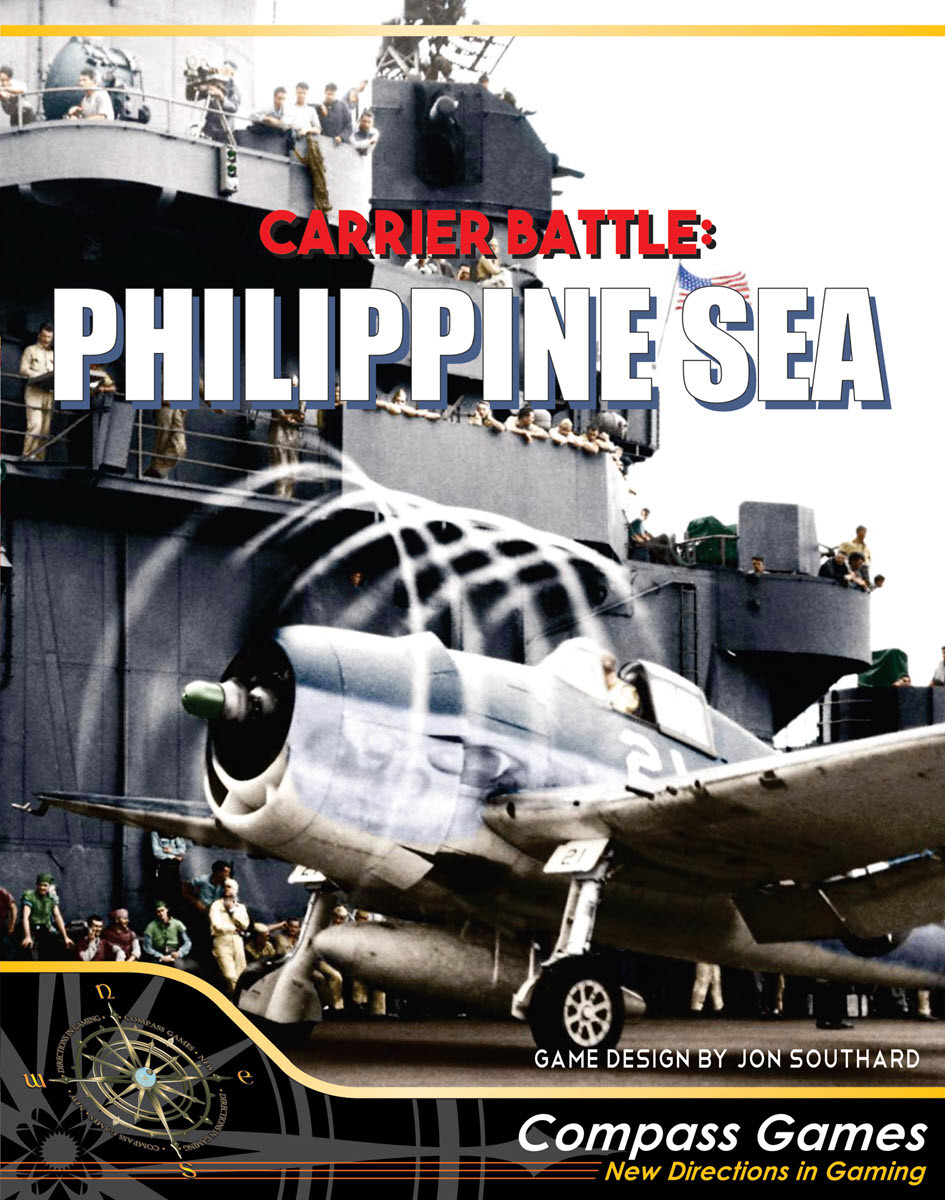 If MAG-23 is the solitaire experience of Pacific Theater aviation, then Carrier Battle: Philippine Sea is the peak solo naval simulation in this conflict (all due respect to the submarine warfare of Silent War 2.0, which is an excellent, albeit very different game than this one). Carrier Battle covers all the bases in a hex-and-counter layout – focusing on the singular battle, it nevertheless puts you, as the US, in a wide open challenge. For one, you don’t even know where your enemy is.
Many solitaire games spawn in foes through card draws or event rolls, but in Carrier Battle, you have to hunt them down with your own planes. All the while, enemy fighters and bombers might be streaming towards you, prompting a further dilemma in the event you locate the moving enemy – can you afford to launch an attack? Can you afford not to? Then you’ll have to arrange your fleet, an act that isn’t instantaneous. Shove destroyers and cruisers out of position and you’ll rue your past self. It’s a meaty challenge, unpredictable and less of a sedate puzzle to solve than a writhing, dangerous snake.
Carrier Battle emphasizes an admiral’s full command, but doesn’t leave you to fumble alone – there are nine scenarios, four of which function as tutorials while five offer replayable battles, including a nifty hypothetical where Midway didn’t happen and you have a full force Japanese fleet bearing down on you. If you’re a solo player with any interest in the major aircraft duels of the war, this is the one to try.
And, if you prefer playing opposed, VUCA’s recent Task Force – Carrier Battles in the Pacific does similar things, so check it out if that’s your flavor.
Coast Watchers
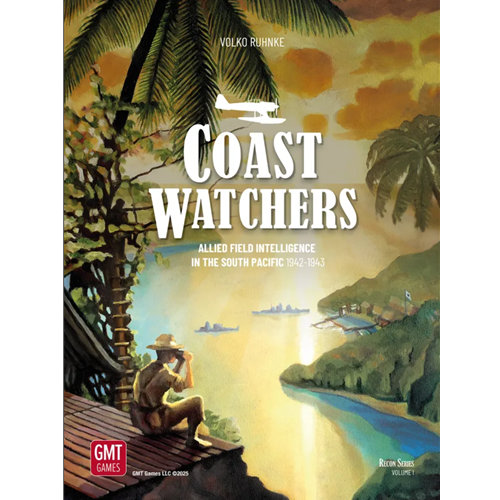 Designer Volko Ruhnke is one of the most innovative minds in war gaming today – he’s behind the Levy and Campaign series, COIN, and numerous other standouts (Wilderness War among them). Coast Watchers, pitting two players (or as a solo experience with either side) as US Intelligence and Japanese security forces, is one of his latest and most unique. It’s loosely related to the simpler Hunt for Blackbeard, and focuses on fog of war, deduction, and an overall atmosphere of mystery.
In Coast Watchers, both sides have unique missions to achieve, generally set by the scenario with a little wiggle room for choice. There’s 15 scenarios in the game, with several campaign options to string them together, and as each side plays differently, there’s lots of game here. Those missions you have are secret, as are the assets (think ships, planes, soldiers, etc.) until you activate them. This combo of blocks and counters, coupled with a play that has one player turning their back while the other adjusts pieces, creates a nervy blend of play-and-parry, where limited actions must be maximized and, at the same time, countered by the opposing player.
This balance is done through chit pulls from two separate cups. One, the delivery cup, is drawn from when the Allies are shifting resources. Depending on the action, you’ll add chits to it before drawing, and the number of successes determines how much the Japanese learn about your efforts (or whether it succeeds at all). The other, the patrol cup, represents Japanese hunting down Allied spies, and has its draw based on local Japanese presence – Allied success evades capture and gets you closer to achieving those missions. When not buffing up their detection capabilities, the Japanese will be prepping for their major operations, done by building up their forces as secretly as possible, then launching the operations and ending the game. If the Allies have done their jobs, completed their missions, the Japanese operations will fail and scoring will fall in favor of the Allies.
At the end, like so many of Ruhnke’s games, you’re getting a unique experience here – it’s a little-explored aspect of the Pacific War playing so cleverly with hidden information that it’s hard to find things to compare it to. But the solo bot system is excellent, preserving much of the fog of war elements, and the production matches a couple hour play-time, so it’s a pleasure to sit down and explore even if it’s outside the usual hex-and-counter boundaries. If you enjoy war games that take risks to do things differently, don’t miss this.
Pacific Fleet
A quick note here for a stellar VUCA reprint of a classic, updated and cleaned up into a masterful edition. 1983’s Pacific Fleet, originally published by Sunset Games, has been a hard find in English (or, really, any language outside Japanese) for years. Now, VUCA’s brought back this strategic level view of the entire Pacific Theater. Fog of war, full operational scale including air, ground, and naval combat, supply, and all that good stuff.
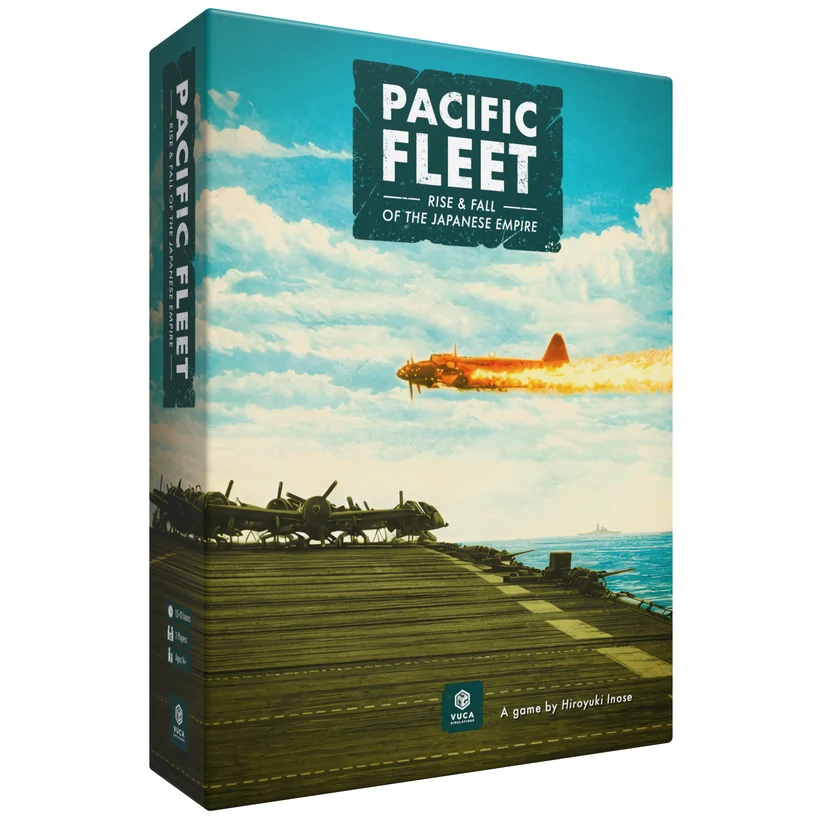 There are two elements at play in Pacific Fleet – the first is that this is a simulation. The Japanese player must strike and win as fast as feasibly possible, because the long game will see their production outpaced and their defeat all but inevitable. The second is that, through victory points earned by destroying enemy forces, strong Japanese play makes it hard for the US to come out ahead. Both sides are challenged, the reality of the conflict is maintained, and, most importantly, the grand campaign covering all this is feasible to play.
So among the bevy of grand Pacific Theater war games, which one to get? If ‘all of them’ isn’t specific enough, I’d say this falls between Empire of the Sun and the big Pacific War (both by Mark Herman, hah). War gaming veterans will find much to love here, and the production makes it a smidge easier to play than its monster cousin. Just be aware that, as a new release, copies might be limited.
Use that Want List, though, and you’ll be sending battle fleets across the waves in no time.


